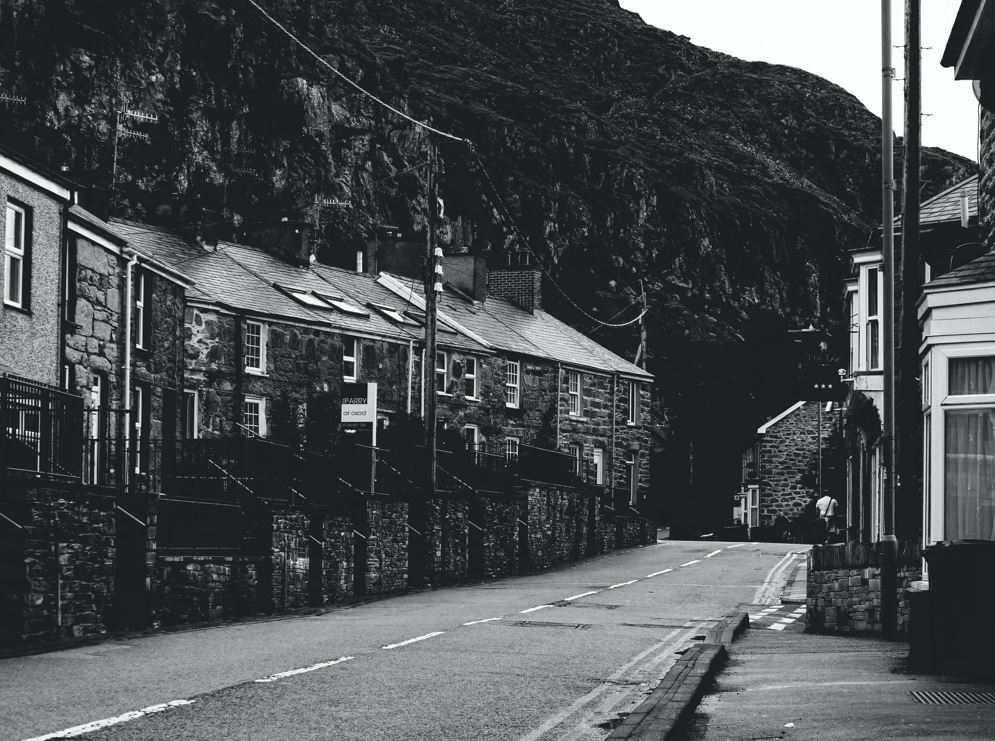
Dad is lain out in the parlour and the curtains have been shut. He looks like he is sleeping, in the one good suit he had. I know he is not because all the family and their families’ family are here squashed into this dark little cottage to pay respects, and I have been sent out the back, out the way, with the pig.
The parlour was forbidden at the best of times–as if there were any to recall. When Mam died, it was not like this. I never saw her and there were no respects. I lost Mam when I was two, and now this is it. Dad gone too. In exactly sixty-four years, Dylan Thomas will say that Wales is bible-black, but no, in actual fact, it is much much worse than that—it is a deep rain-soaked poor soothed in coal and fear-of-God Presbyterian black that gets into your bones.
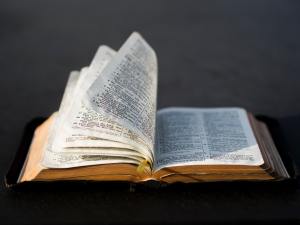
Feature Image by Luca Massimilian on Unsplash
All my weeping aunts are draped in it like dirty candle drips—they have cried, not just today, but all their lives, so much so that waxwork channels trench their sunless complexions and those too of their daughters’ daughters; the few uncles I have left cough it up each morning in treacled handkerchiefs before they pray again to God almighty, using their last thick baritone breaths: gras ein harglwydd, Iesu Grist. Some of them have come down all the way from Mountain Ash, and later, they will sombre home in their best hats all temperate on soft-water tea and dry, butterless bara brith, back up that hill to God, in the soot and steam of the local coal train.
Auntie Ellen is my new Mam now. She is from Maesteg too, so perhaps she will feel like a real Mam. She is married to Uncle Thomas—Dad’s brawd fawr—who comes from Cwmdeuddwr—a place so poor that the English made ballads for the broadsheets about it over a hundred years ago, and they will take me up the valley to live with them—to Cwm Parc, to Ocean Coal. Little did they know that they were moving from poor to dead within a decade. I will join six new brothers and sisters all from Auntie Ellen’s late husband—a man named Michaels. She will soon lose Uncle Thomas too. We will never talk about it. Nobody talked about these things then. Nobody talks about it now. But I will always write on my documents that I was born in Maesteg and that I am am resolutely William John, and not just William, just to let everyone know that I know—that I always knew. Now then, will God find me up there, up in Barrett Street, do you think?
 Lisa Mansell