

Direct Instruction vs Inquiry Learning.
‘Chalk and Talk’ is an idiom which seems to remerge every few years in relation to debates about direct instruction vs inquiry learning, and while I don’t intend for this essay to be a part of that debate, I feel I ought to ‘show my hand’ at the outset and mention that I generally deliver inquiry learning over direct instruction. I don’t teach a subject which has ‘answers’ or determinate outcomes, and I value the creativity and contributions from my students. And I won’t digress, here, that my suspicion is that direct instruction vs inquiry learning are false binaries and not mutually exclusive.
Lecture ‘Theatres’
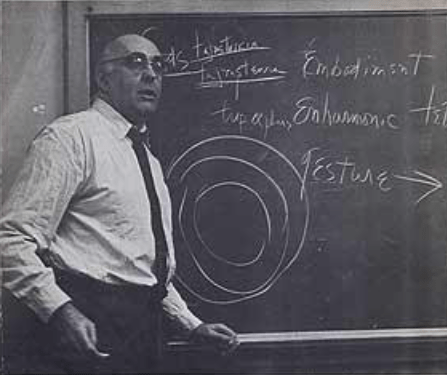
Instead, what I mean by ‘Chalk and Talk’ is its performativity. The act of standing at a board and indulging in the act of physicality—be it with chalk, or more likely whiteboard marker these days—is a part of the teaching performance. It does not necessarily mean I am talking ‘at’ my students. I might transcribe what they’re contributing to the board and invite them too to come and write on the board. Performing the role of a lecturer helps to perform the role of a lecturer. This spectacle—cliched in elbow-patches reading from a withered, yellowed script—persists. There are problems with this cliché, least of all the masculine whiteness of this image of the archetypal university professor. It’s just not who we are now, and it’s not who we teach now, either. That does not mean that the lecture ‘theatre’ (remember those?) or the classroom have ceased to be spaces of performance.
Before the lockdown and the seismic shift to virtual teaching, I confess, I hardly used PowerPoint. My usual arsenal was a whiteboard, marker, and the visualiser (which replaced the antique OHPs of the ‘olden days’). If I wanted to show images or video, I would just stream those onto the screen. Simple, effective, and now, impossible. Or so I mistakenly thought.
Perhaps many of us can sympathise with the changes we had to make in the sudden face of the pandemic a year ago. The collective instinct seemed to be (at least in my department) to use PowerPoint for every class with initial discussions about narrated slides prepared in advance. We didn’t go down this road at our place (and I am glad we didn’t) but we nevertheless clung onto the idea of slides for safety, for familiarity, for dear life. We barely knew how to work all of Blackboard Collaborate’s features back then–each class was an adventure in which I had to learn how to teach again from scratch.
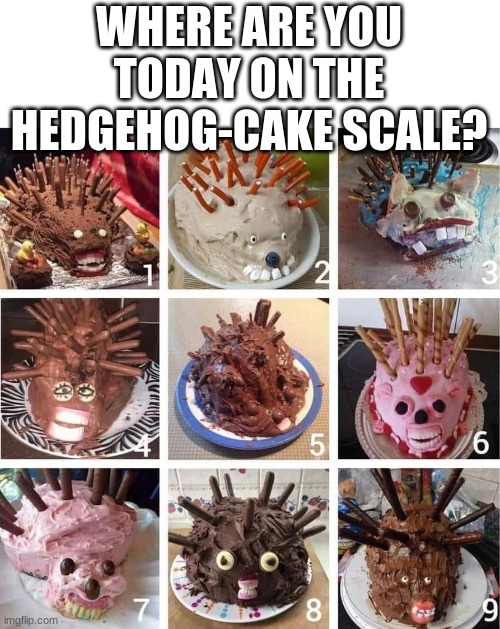
Despite creating ever elaborate, visually striking slides, I could feel the collective wane of interest from the students as the semester ensued. Our team shared notes on new teaching ideas ranging from digital whiteboard to emotional engagement memes.
As the year went on, student cameras and microphones extinguished almost one by one until it was just me talking ‘at’ a blank screen, and not ‘performing’. Direct instruction by default. If I was bored, then they must have been completely etherised by the experience. Something had to change—right now.
I was talking to a colleague who was an actor who compared the experience of preparing to teach to acting. On the way from your faculty office to the classroom, you’re building that adrenalin just like acting, she said. How are you supposed to find that adrenalin moving from the kitchen to the study at home? This led me to start thinking about teaching as performance. What would happen if I just went back to how I used to do things? Two weeks ago, I started to abandon the PowerPoint. It was like coming off an addiction. Little by little, the slides diminished and this morning, the only slide I presented was the title of the session and a summary list of today’s topics. I was inspired by Alec Soth’s excellent YouTube channel where he talks about the communicating tactile performativity (“we’re drowning in digital”). The visualiser became my projector and enabled me to demonstrate textual annotations, writing exercises—I even streamed my warpy old vinyl of David Bowie on the record player in my song lyric class. I soon realised that the page could be my blackboard and began projecting my scrawled notes instead of slides. Part of the performance, at least for me, needs to be tactile, analogue and needs to be live.
For the rest of the semester, I vow to stay off the PowerPoint. The PowerPoint fatigue is real amongst the students and if today is anything to go by, a more performative, tactile approach yields much better engagement. I might keep the memes, though.
 Lisa Mansell
Leave a comment